Building wealth does not start with a high salary. This personal finance guide starts with a simple truth: small money decisions, repeated over time, can change your financial future. If you are a beginner in the US, 2026 is a great time to build better habits, reduce money stress, and create a plan that actually works.
Whether you are a student, young professional, homeowner, or small business owner, this guide will show you how to budget, save, manage debt, improve your credit, and start investing with confidence. Most importantly, it keeps things simple, practical, and realistic.
Table of Contents
- Why a personal finance guide matters in 2026
- Personal finance guide to building a simple budget
- Personal finance guide to saving your first emergency fund
- Personal finance guide to paying off debt wisely
- Personal finance guide to credit and beginner investing
- Your 30-day 2026 starter plan
- FAQs
Why a personal finance guide matters in 2026
Money can feel overwhelming when you are just getting started. However, a solid personal finance guide gives you a clear path. Instead of trying to do everything at once, you focus on a few key habits that build stability.
In 2026, beginners in the US need a plan for:
- Higher everyday living costs
- Credit card use and debt management
- Emergency savings
- Retirement planning
- Smarter financial goals
The good news is that you do not need to be perfect. You only need a repeatable system.
Here is the basic order most beginners should follow:
- Track income and expenses
- Build a starter budget
- Save an emergency fund
- Pay down high-interest debt
- Improve credit habits
- Start investing for long-term goals
Personal finance guide to building a simple budget
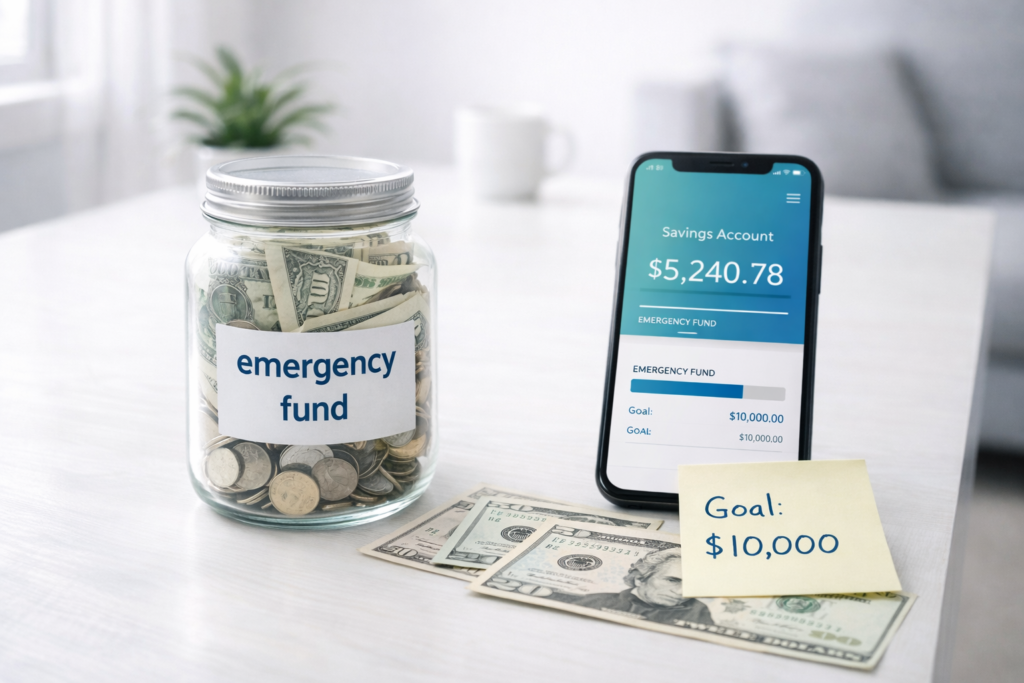
A budget is not about punishment. Instead, it tells your money where to go before it disappears.
One of the easiest beginner methods is the 50/30/20 rule:
| Budget Category | Suggested Percentage | Example on $3,000 Monthly Income |
|---|---|---|
| Needs | 50% | $1,500 |
| Wants | 30% | $900 |
| Savings/Debt | 20% | $600 |
This is only a starting point. If your rent is high, your numbers may look different. Still, the goal is to create awareness and control.
How to build your first budget
- List your monthly take-home pay
- Write down fixed expenses like rent, insurance, and utilities
- Estimate variable spending like groceries, gas, and entertainment
- Set a savings target
- Review your spending every week
Beginner budgeting tips that work
- Use one checking account for bills
- Set automatic transfers to savings
- Cancel subscriptions you do not use
- Limit impulse purchases with a 24-hour pause
- Track spending with a spreadsheet or budgeting app
For example, if you bring home $4,000 a month and spend $250 on unused subscriptions, eating out, and random online shopping, that money could become your emergency savings instead.
Personal finance guide to saving your first emergency fund
A strong personal finance guide always includes savings because unexpected expenses happen. Car repairs, medical bills, and job changes can quickly create stress.
Start with a simple goal: save $500 to $1,000 as quickly as possible. After that, work toward three to six months of essential expenses.
Best places to start saving
- Open a separate high-yield savings account
- Set up automatic weekly transfers
- Save tax refunds, bonuses, or side income
- Keep your emergency fund for true emergencies only
Easy ways to save money faster
- Cook at home more often
- Compare insurance rates once a year
- Use store brands for basic items
- Pause non-essential spending for 30 days
- Sell items you no longer use
Saving money is easier when it is automatic. Even $25 to $50 a week adds up over time.
Personal finance guide to paying off debt wisely
Debt can slow down your progress, especially if it comes with high interest. That is why every useful personal finance guide should help beginners choose a smart debt payoff strategy.
Two popular debt payoff methods
1. Debt snowball
Pay off the smallest balance first while making minimum payments on the rest. This builds quick wins and motivation.
2. Debt avalanche
Pay off the highest-interest debt first while making minimum payments on the rest. This saves more money over time.
If you are someone who needs momentum, choose snowball. If you want to reduce interest faster, choose avalanche.
Debt payoff strategies for beginners
- Stop adding new credit card debt
- Pay more than the minimum whenever possible
- Call lenders to ask about hardship options if needed
- Consider balance transfer offers carefully
- Focus extra money on one debt at a time
For many US beginners, credit card debt is the first target because the interest can be very high.
Personal finance guide to credit and beginner investing

A complete personal finance guide is not only about surviving this month. It is also about building your long-term future.
Credit score basics every beginner should know
Your credit score can affect:
- Loan approval
- Credit card offers
- Apartment applications
- Insurance pricing in some cases
To improve your credit habits:
- Pay every bill on time
- Keep credit card balances low
- Avoid opening too many accounts at once
- Check your credit reports regularly
- Keep older accounts open when possible
Personal finance guide to beginner investing
Once you have a starter emergency fund and a plan for high-interest debt, you can begin investing.
Good beginner options may include:
- Employer-sponsored 401(k), especially if there is a match
- Roth IRA for tax-advantaged retirement savings
- Low-cost index funds
- Automatic monthly investing
A simple starting point is this: invest a small amount every month and stay consistent. You do not need to pick individual stocks to begin building wealth.
Your 30-day 2026 starter plan
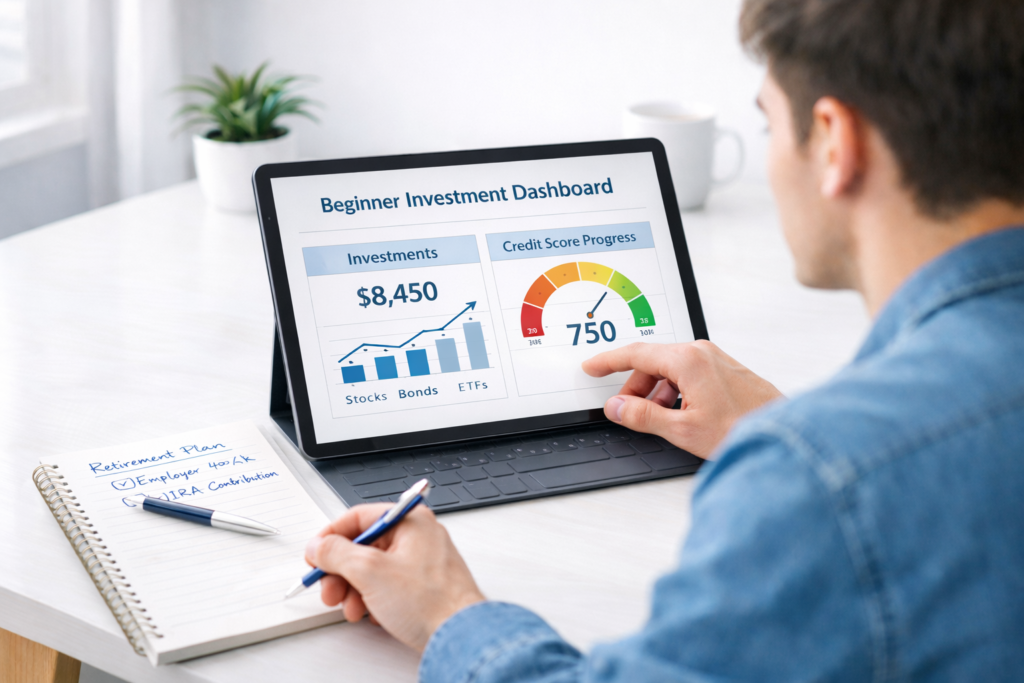
This personal finance guide works best when you take action right away. Here is a simple 30-day starter plan.
Week 1: Know your numbers
- Calculate take-home pay
- List all monthly expenses
- Check account balances
- Review debt totals
Week 2: Build your budget
- Use the 50/30/20 rule as a guide
- Cut one or two unnecessary expenses
- Set a weekly spending limit
Week 3: Start saving
- Open a separate savings account
- Automate your first transfer
- Create a $500 starter emergency fund goal
Week 4: Improve long-term habits
- Pick a debt payoff method
- Check your credit reports
- Enroll in a retirement account or research a Roth IRA
By the end of 30 days, you will not have everything solved. Still, you will have something better: momentum.
Helpful US Finance Resources
| Budgeting Help | Click Here |
| Roth IRA Guide | Click Here |
| Free Credit Reports | Click Here |
| Credit Freeze & Fraud Alerts | Click Here |
FAQs
1. What is a personal finance guide?
A personal finance guide is a step-by-step resource that helps you manage money, including budgeting, saving, debt payoff, credit, and investing.
2. How do beginners start managing money?
Beginners should start by tracking income and expenses, creating a simple budget, and building a starter emergency fund.
3. How much should I save in an emergency fund?
Most beginners should first save $500 to $1,000, then work toward three to six months of essential living expenses.
4. Should I pay off debt or save first?
In most cases, do both. Build a small emergency fund first, then focus on paying off high-interest debt while continuing to save a little.
5. What is the best budget for beginners?
The 50/30/20 budget is a popular starting point because it is simple and easy to adjust based on your needs.
6. When should I start investing?
You can start investing after building a starter emergency fund and creating a plan to manage high-interest debt.
7. What is the easiest way to improve a credit score?
Pay bills on time, keep credit card balances low, and avoid applying for too many new accounts at once.
Conclusion
The guide that you can truly follow is the best one for personal finance. You don’t need a finance degree, a flawless income, or an intricate plan. You need a straightforward strategy, consistent routines, and perseverance.
Start with budgeting. Build your emergency fund. Pay off high-interest debt. Protect your credit. Then begin investing for the future. Over time, these steps can help you move from financial stress to financial confidence.
Take one action today, even if it is small. In personal finance, progress matters more than perfection.